
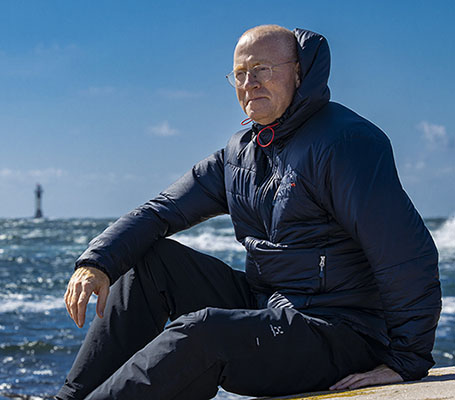
Erik Malm, born in 1964, began his artistic career as a musician. In the 1980s, he studied the clarinet at the College of Music (today Academy of Music and Drama) in Gothenburg, Sweden. He also studied conducting under professor Jorma Panula. In 1988, he was brought on as a solo clarinetist at the Malmö Stadsteater, today known as the Malmö Opera. He also founded the Philharmonic Chamber Ensemble, which consisted of some of the most prominent young professionals in Sweden at the time. The ensemble performed at several music events and summer festivals.
Due to fatherhood, Erik later quit his professional career to co-found the family business Malmstolen AB in 1994. Here he was responsible for research and development of the ergonomic office chairs the company was specialized in. The business was later sold to one of the largest European holding companies in the industry in 2016. Today he works as a full-time photographer.
Erik has since his early childhood had a deep passion for nature as well as music, from which his love of photography stems. Rather than being just casual interests, they are fundamental passions deeply embedded in his DNA. Erik published his first book in 1999, which was quickly accompanied by four additional books as well as five co-productions, all in a traditional documentary style.
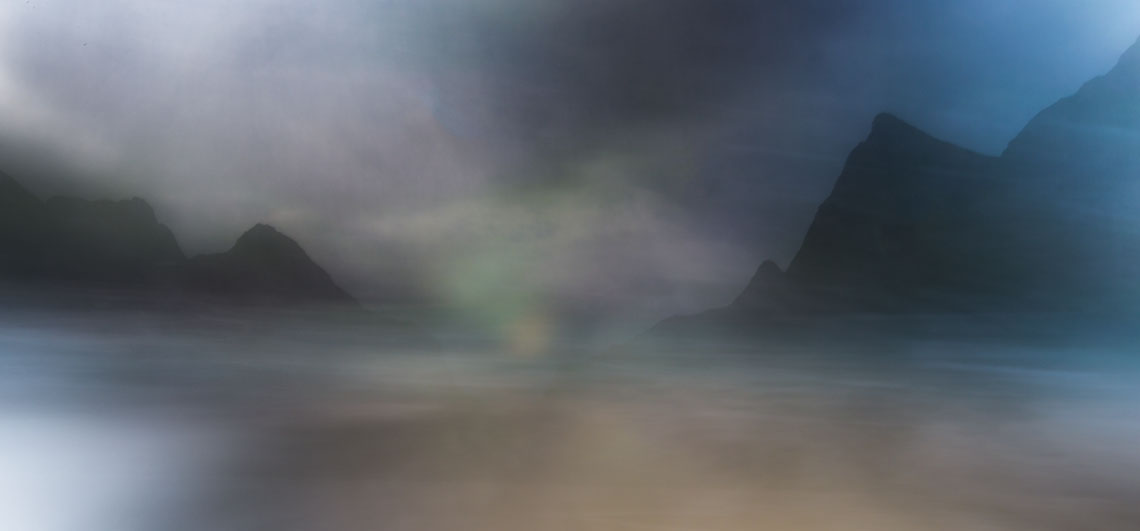
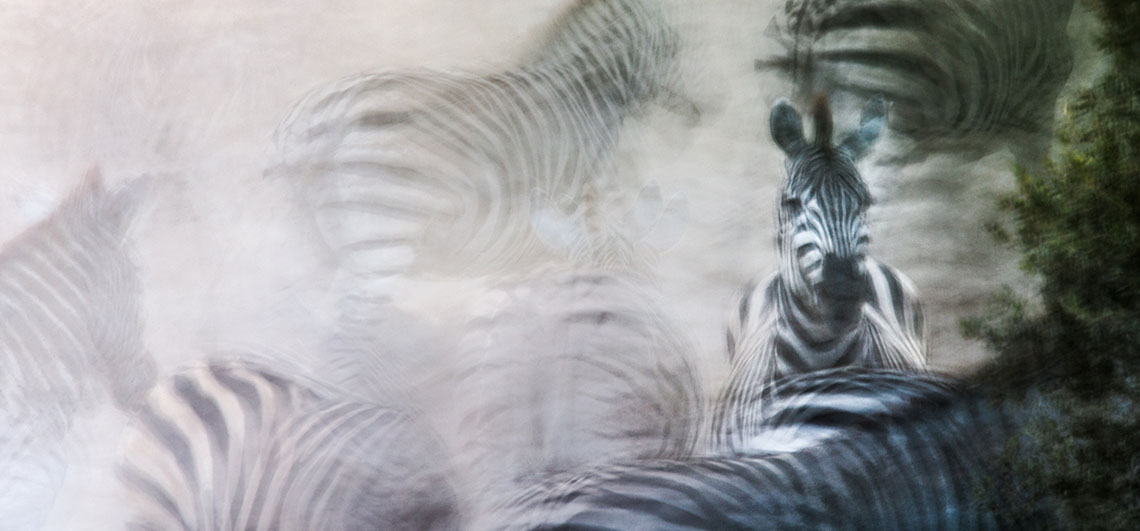
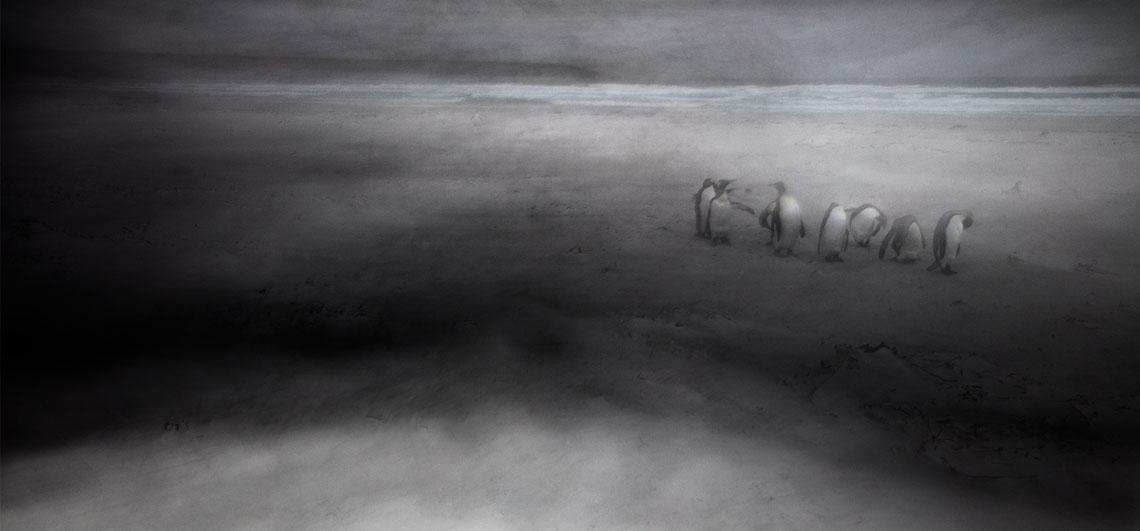
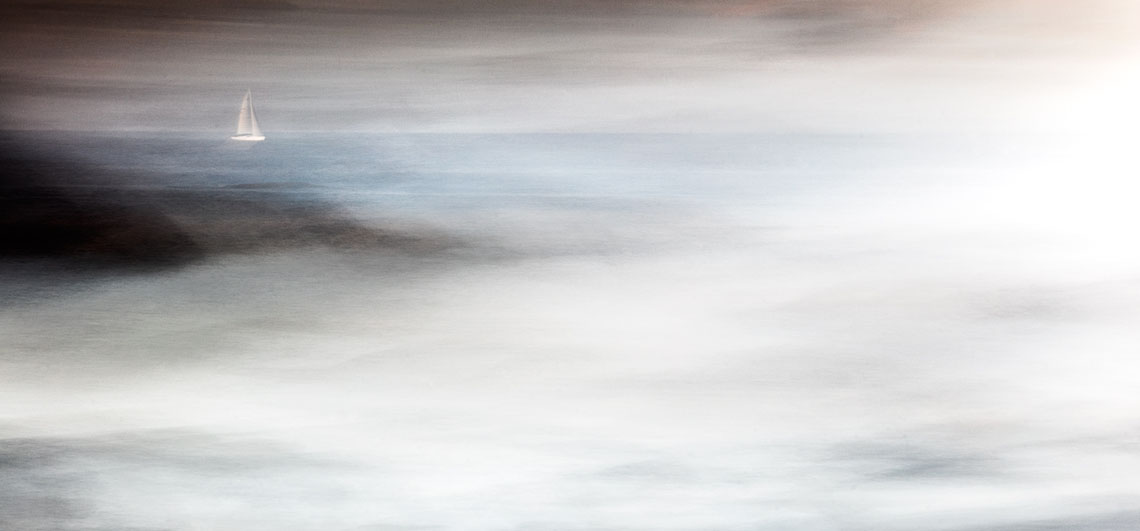
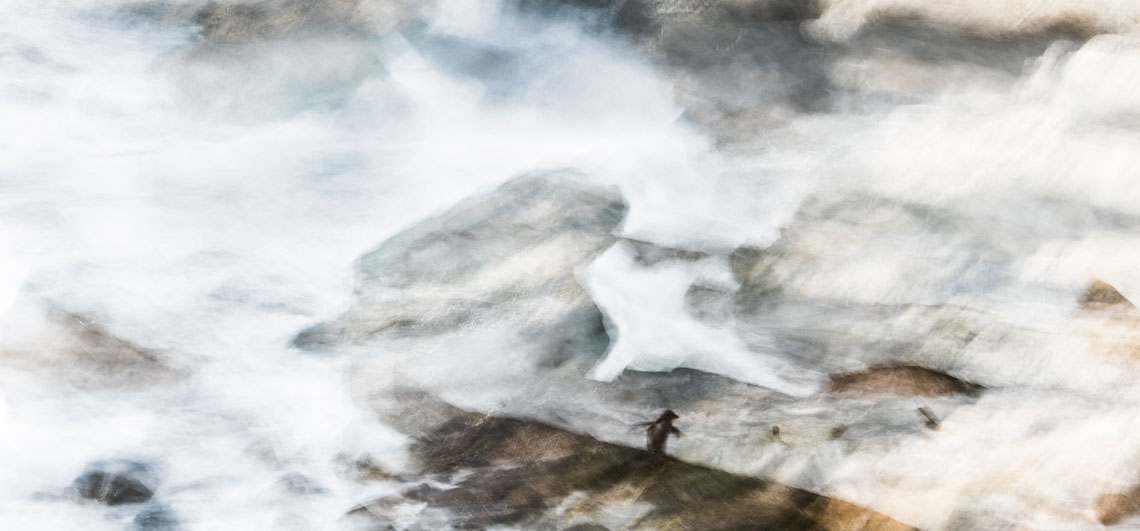
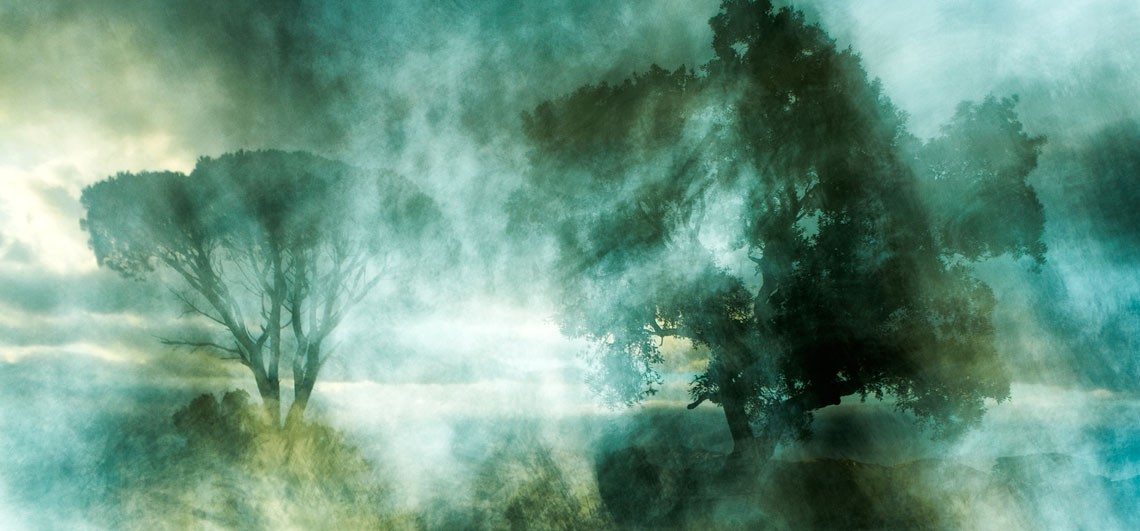
Coincidence brought him down the photographic path he has built the career he has to day, as a as a serious contemporary artist, renowned for his mastery of working with time, perception, and controlled camera motion through single-exposure photography, not double or multiple exposures, layers in photo editors as Photoshop or similar. All his images are constructed as performed interpretations of musical structures in time, "To make Music with Images".
This is what makes him unique into the photography today:
Erik Malm is a contemporary visual artist working with photography as a performed translation of time, perception, and musical structure. His practice is rooted in a single-exposure process in which each image is constructed in real time, without compositing or digital assembly. The camera functions not as a recording device, but as an instrument through which movement is shaped into visual form.
Malm’s work emerges from a deeply internalized relationship with music. As a trained musician and conductor, he does not approach image-making as a reaction to external subjects, but as a response to internal rhythmic and harmonic structures. Each photograph can be understood as a visual counterpart to an unheard composition—where tempo, intensity, and phrasing are translated into gesture, light, and spatial transformation.
Rather than documenting the visible world, Malm constructs images as temporal events. The act of photographing becomes performative: a precise, irreversible execution in which movement, duration, and perception converge within a single exposure. What remains is not a representation of reality, but the trace of a controlled visual performance.
Within this process, natural elements such as birds, landscapes, and atmospheric conditions function less as subjects and more as material—like instruments within a larger composition. These elements are not arranged after the fact, but encountered and shaped in real time through the artist’s coordinated movement with the camera.
The resulting works exist at the intersection of photography, performance, and musical thinking. They explore how time can be made visible, how rhythm can be translated across sensory domains, and how perception itself can be structured as composition. Each image is both singular and unrepeatable: a moment in which sound, motion, and vision momentarily align into a coherent field.
Malm’s practice expands the boundaries of photographic language by treating exposure as duration rather than capture. In doing so, he reframes photography as a medium capable of conveying not only what is seen, but how time is experienced.